Description:
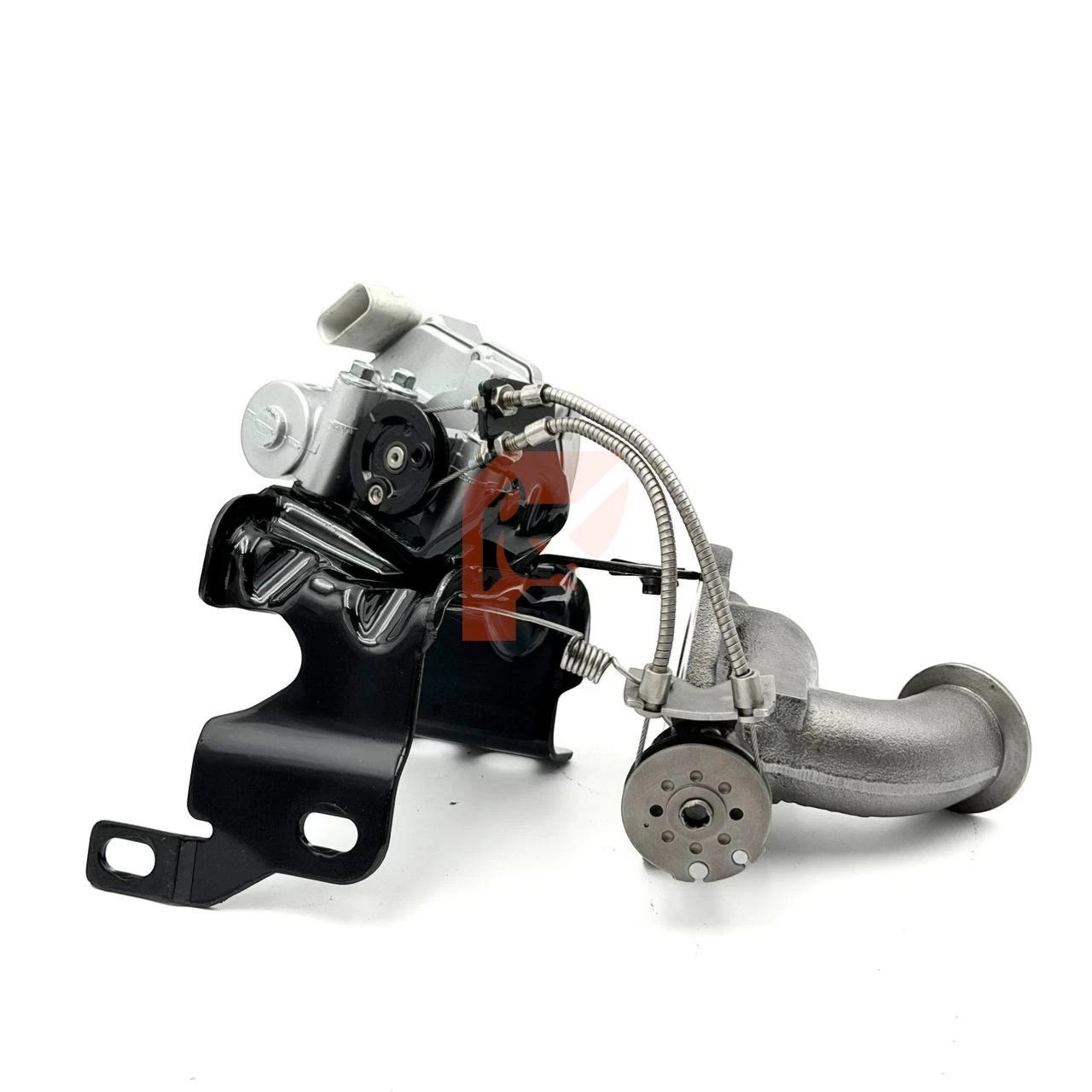
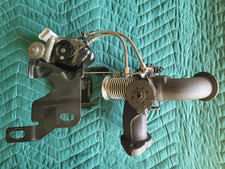
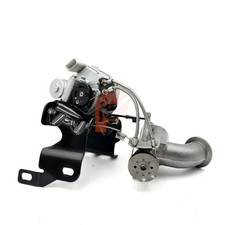
An EGR (Exhaust Gas Recirculation) valve68026992AA , sometimes called an EGR exhaust recirculation valve, is a component of many internal combustion engines (both gasoline and diesel) that helps reduce emissions and control certain combustion characteristics. EGR Exhaust Recirculation Valve, Bypass Cooler For 6.7L 2007-2012
Part Number:68244559AA
Condition: New
Manufacture/Brand: Mopar
Engines: 6.7L I6 Cummins Turbo Diesel Engine
Transmissions: 6-Spd Automatic 68RFE Transmission. 6-Speed Manual G56 Transmission Fits R8244559AB
Year Make ModelEngineImportant vehicle option details2007-2010 Dodge Ram 25006 Cyl 6.7L DieselLaramie Crew CAB 2WD, Laramie Crew Cab 4WD, Laramie Mega CAB 2WD, Laramie Mega Cab 2WD, Laramie Mega Cab 4WD, Laramie Quad Cab 2WD, Laramie Quad Cab 4WD, Mega Cab 2WD, Mega Cab 4WD, SLT Crew Cab 2WD, SLT Crew Cab 4WD, SLT Mega Cab 2WD, SLT Mega Cab 4WD, SLT Quad Cab 2WD, SLT Quad Cab 4WD, SLT Regular Cab 2WD, SLT Regular Cab 4WD, ST Crew Cab 2WD, ST Crew Cab 4WD, ST Quad Cab 2WD, ST Quad Cab 4WD, ST Regular Cab 2WD, ST Regular Cab 4WD2007-2010 Dodge Ram 35006 Cyl 6.7L DieselLaramie Crew Cab 2WD, Laramie Crew Cab 4WD, Laramie Mega Cab 2WD, Laramie Mega Cab 4WD, Laramie Quad Cab 2WD, Laramie Quad Cab 4WD, Mega Cab 2WD, Mega Cab 4WD, SLT Crew Cab 2WD, SLT Crew Cab 4WD, SLT Mega Cab 2WD, SLT Mega Cab 4WD, SLT Quad Cab 2WD, SLT Quad Cab 4WD, SLT Regular Cab 2WD, SLT Regular Cab 4WD, ST Crew Cab 2WD, ST Crew Cab 4WD, ST Quad Cab 2WD, ST Quad Cab 4WD, ST Regular Cab 2WD, ST Regular Cab 4WD2011-2012 Ram 25006 Cyl 6.7L DieselLaramie Crew Cab 2WD, Laramie Crew Cab 4WD, Laramie Mega Cab 2WD, Laramie Mega Cab 4WD, Longhorn Crew Cab 2WD, Longhorn Crew Cab 4WD, Longhorn Mega Cab 2WD, Longhorn Mega Cab 4WD, SLT Crew Cab 2WD, SLT Crew Cab 4WD, SLT Mega Cab 2WD, SLT Mega Cab 4WD, SLT Regular Cab 2WD, SLT Regular Cab 4WD, ST Crew Cab 2WD, ST Crew Cab 4WD, ST Regular Cab 2WD, ST Regular Cab 4WD2011-2012 Ram 35006 Cyl 6.7L DieselLaramie Crew Cab 2WD, Laramie Crew Cab 4WD, Laramie Mega Cab 2WD, Laramie Mega Cab 4WD, Longhorn Crew Cab 2WD, Longhorn Crew Cab 4WD, Longhorn Mega Cab 2WD, Longhorn Mega Cab 4WD, SLT Crew Cab 2WD, SLT Crew Cab 4WD, SLT Mega Cab 2WD, SLT Mega Cab 4WD, SLT Regular Cab 2WD, SLT Regular Cab 4WD, ST Crew Cab 2WD, ST Crew Cab 4WD, ST Regular Cab 2WD, ST Regular Cab 4WD
Purpose of using R8244559AB:
The main reason for having an EGR system is to reduce the formation of nitrogen oxides (NOₓ), which are pollutants formed in high-temperature combustion.
When combustion temperatures are very high, nitrogen (from air) and oxygen can combine to form NOₓ.
By reintroducing a portion of inert exhaust gas back into the intake, the gas mixture is diluted, which lowers peak combustion temperatures.
Lower temperatures = less NOₓ formation.
Also, in some engine designs, EGR helps with:
Signs of a Bad EGR Valve R8244559AB:
Rough Idle / Unstable Idle
The engine may shake or run unevenly when idling (in park or neutral).
If the EGR valve is stuck open, it allows exhaust gas back into the intake at times when the engine needs pure fresh air, upsetting combustion.
Reduced Engine Power / Poor Acceleration
The engine may feel sluggish, especially under load (e.g. uphill or passing).
If the EGR is stuck open or stuck partially closed, the air–fuel mixture gets diluted or incorrect, reducing efficiency.
Engine Stalling
The car might stall at idle or when coming to a stop.
Particularly happens if the EGR is stuck open, causing too much exhaust gas dilution at low RPMs.
Knocking / Pinging / Engine “Spark Knock”
If the EGR valve is stuck closed (i.e. no recirculation), combustion temperatures increase, which can cause pre-ignition / knock.
This is more evident under load / acceleration.
Check Engine Light (CEL) / Fault Codes
The ECU may detect improper EGR operation and log codes (e.g. “EGR flow insufficient,” “EGR circuit malfunction”).
The CEL may accompany other symptoms.
Poor Fuel Economy / Increased Fuel Consumption
Emissions / Failed Emissions Test
A malfunctioning EGR can cause increased NOₓ emissions or more unburnt hydrocarbons, possibly leading to a failed emissions test.
Visible exhaust smoke or stronger fuel smell can accompany this.
Engine Overheating