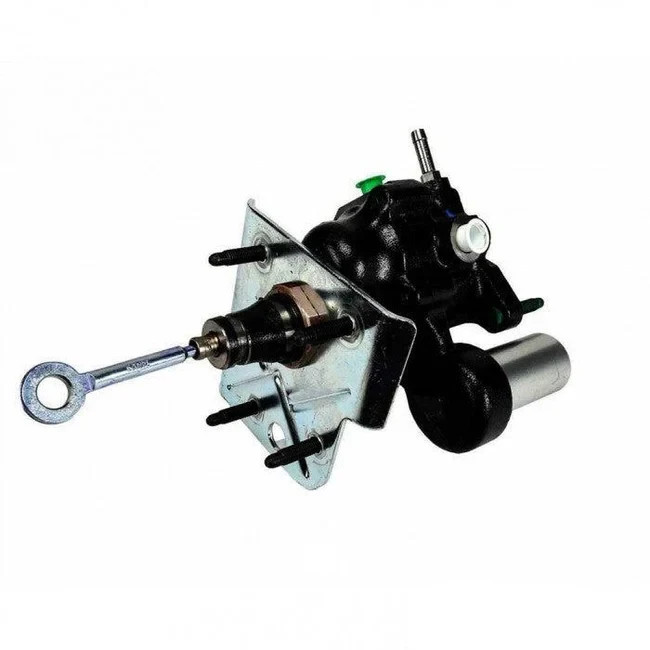
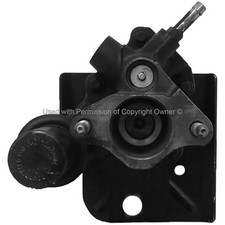
Description:
A Power Brake Booster Assembly 19371365(often just called a brake booster) is a key component in a vehicle’s braking system that helps reduce the amount of physical effort needed to press the brake pedal and stop the vehicle.The brake booster uses vacuum pressure (or sometimes hydraulic or electric pressure) to amplify the force you apply to the brake pedal.Without it, you’d have to press the pedal much harder to slow or stop the car—especially in larger or heavier vehicles.
Part Number: 19371365
Condition: New
Manufacture/Brand: GMFits 19371365For
Year Make ModelEngineImportant vehicle option details2012-2014 Chevrolet Silverado8 Cyl 6.0L, 8 Cyl 6.0L Flex, 8 Cyl 6.6L DieselCREW CAB 1 TON, CREW CAB 6\'6\" BOX 3/4 TON, CREW CAB 8\' BOX 3/4 TON, EXTENDED CAB 1 TON, EXTENDED CAB 6\'6\" BOX 3/4 TON, EXTENDED CAB 8\' BOX 3/4 TON, EXTENDED CAB CHASSIS 1 TON 161.5, REGULAR CAB 1 TON, REGULAR CAB 3/4 TON, REGULAR CAB CHASSIS 1 TON 137.0, REGULAR CAB CHASSIS 1 TON 161.52012-2014 GMC Sierra8 Cyl 6.0L, 8 Cyl 6.0L Flex, 8 Cyl 6.6L Diesel1 TON CREW CAB, CREW CAB 1 TON,
Purpose of using 19371365:
1. Reduce Driver Effort
Without a booster, you’d have to press the brake pedal very hard—especially at higher speeds or in heavy vehicles.
The booster multiplies your foot pressure using vacuum or hydraulic assist, making it possible to stop the car with minimal effort.
2. Improve Braking Control and Comfort
Because the booster smooths out pedal effort, it allows for better modulation (fine control) of braking force.
That means:
3. Enhance Safety
A power-assisted brake system helps you apply full braking force faster, which can reduce stopping distance and prevent accidents.
This is especially critical during:
4. Support Modern Vehicle Systems
In modern vehicles, the brake booster often works together with:
These systems depend on consistent, boosted hydraulic pressure to function effectively.
Sings of Bad Power Brake Booster Assembly 19371365:
1. Hard or Stiff Brake Pedal
The most obvious symptom.
When the booster fails, the vacuum or pressure assist is lost.
You’ll have to press much harder on the pedal to stop the car, especially at low speeds.
2. Increased Stopping Distance
Because you’re not getting power assist, the brakes don’t engage as quickly or strongly.
The car may take longer to stop, which is dangerous in emergencies.
3. Hissing Noise When Braking
4. Engine Stalling or Rough Idle When Braking
The brake booster uses engine vacuum, so a leak can cause too much air to enter the intake system.
This leads to rough idling, stalling, or even check engine lights when you apply the brakes.
5. “Spongy” or Delayed Brake Pedal Response
6. High Brake Pedal Position